Site Development Services for New Construction
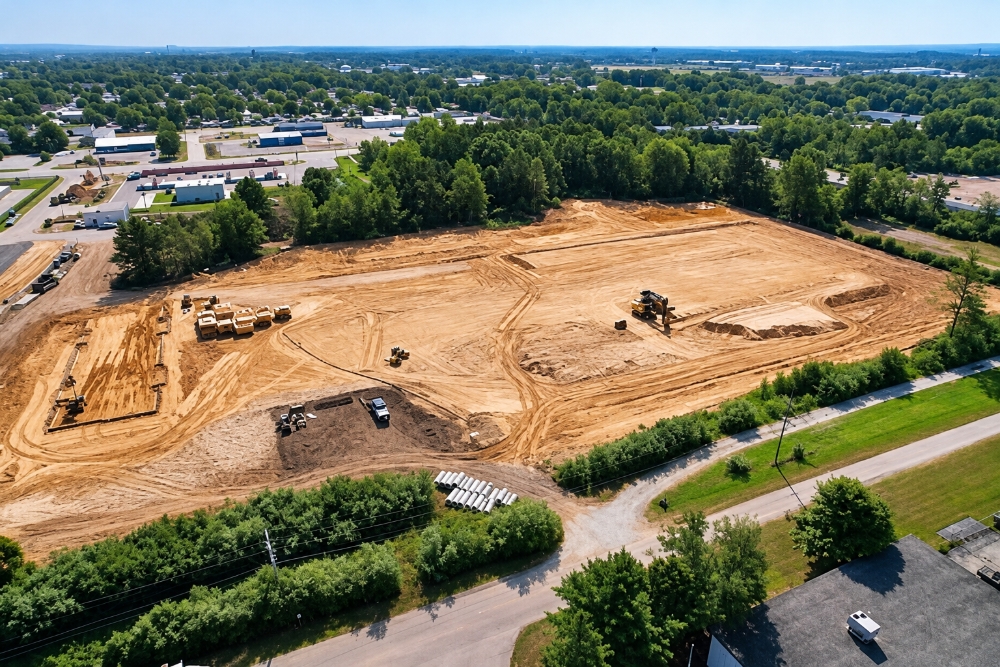
From Raw Land to Construction-Ready Sites in Northern Kentucky & Greater Cincinnati
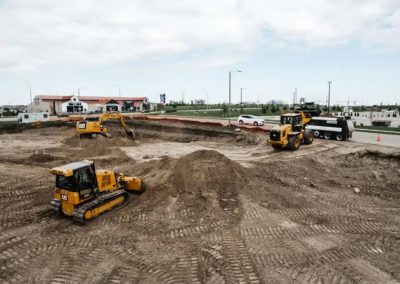
Successful construction projects begin long before the first foundation is poured. We provide complete site development services that transform undeveloped land into construction-ready properties for residential, commercial, and industrial projects. From initial land clearing and site preparation to grading, drainage, utility installation, and infrastructure improvements, our team helps ensure every project starts with a solid foundation for success.
Proper site development is essential for creating safe, stable, and functional properties that meet the requirements of new construction. Serving Northern Kentucky and Greater Cincinnati, Webb’s Excavating works with property owners, builders, developers, and general contractors to prepare sites efficiently and help keep construction projects moving forward.
Site Development Services for New Construction FAQS
What is included in complete site development for new construction?
Complete site development involves preparing a property for residential, commercial, or industrial construction. Services typically include land clearing, grubbing, excavation, site grading, building pad preparation, drainage improvements, underground utility installation, infrastructure development, and the placement of aggregates and fill materials. These services help transform raw or undeveloped land into a stable, accessible, and construction-ready site.
What is the first step in preparing land for new construction?
The first step in site development is evaluating the property and reviewing construction plans to determine what preparation is necessary. This may include surveying, soil testing, identifying existing utilities, assessing drainage conditions, and obtaining required permits. Once planning is complete, physical site preparation typically begins with land clearing, grubbing, and excavation to remove vegetation, roots, debris, and unsuitable materials.
How long does site development take before construction can begin?
The time required for site development depends on the property’s size, terrain, soil conditions, weather, and the complexity of the project. Smaller residential lots may require only several days or weeks of preparation, while larger commercial or industrial developments can take several weeks or months. Utility installation, drainage improvements, grading requirements, and permitting can also affect the timeline.
What is the difference between excavation and site development?
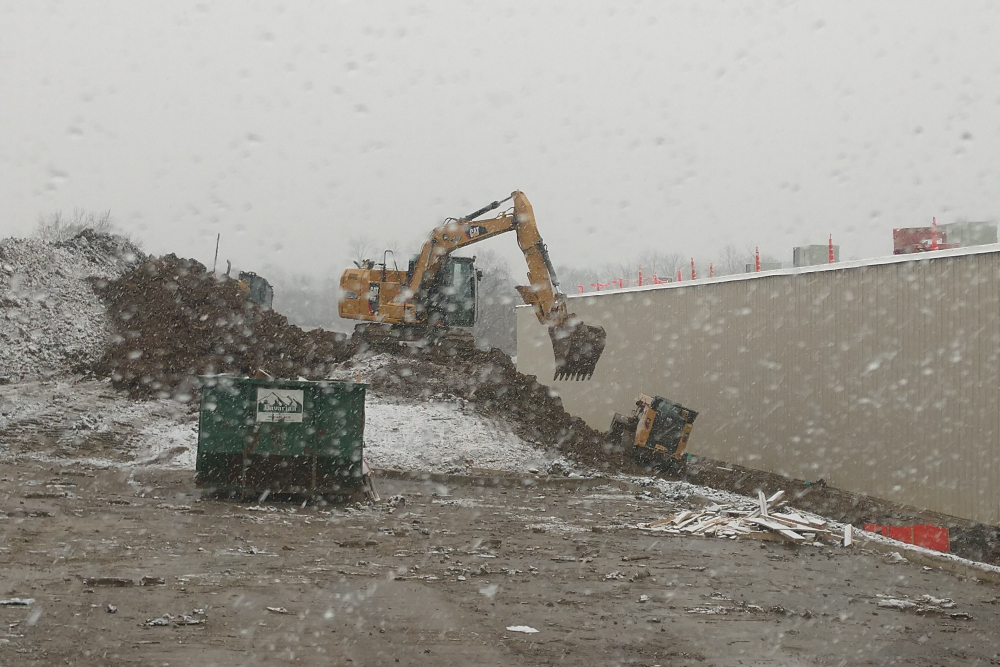
Excavation is the process of removing, moving, or reshaping soil, rock, and other materials to prepare land for construction. Site development is a broader process that includes excavation along with land clearing, grading, drainage, utility installation, building pad preparation, and infrastructure improvements. Excavation is often one of the most important components of a complete site development project.
Why are proper grading and drainage important for new construction?
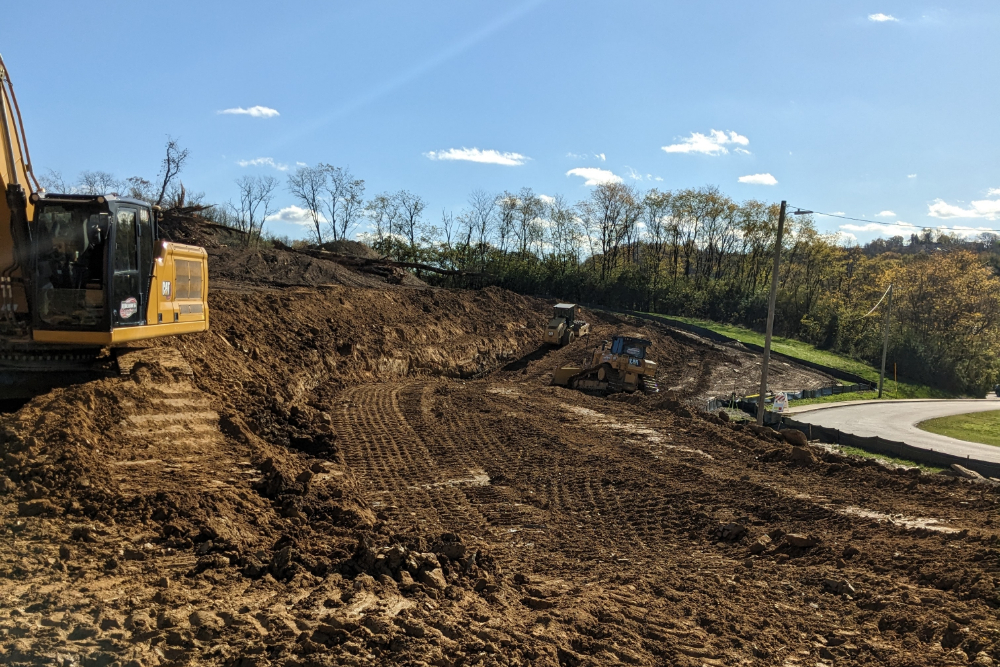
Proper grading and drainage help direct water away from buildings, foundations, roads, and other structures. Without appropriate site elevations and drainage systems, properties may experience standing water, erosion, soil instability, and potential foundation problems. Professional site grading establishes the elevations and slopes needed to support construction while helping manage stormwater runoff.
What is building pad preparation, and why is it necessary?
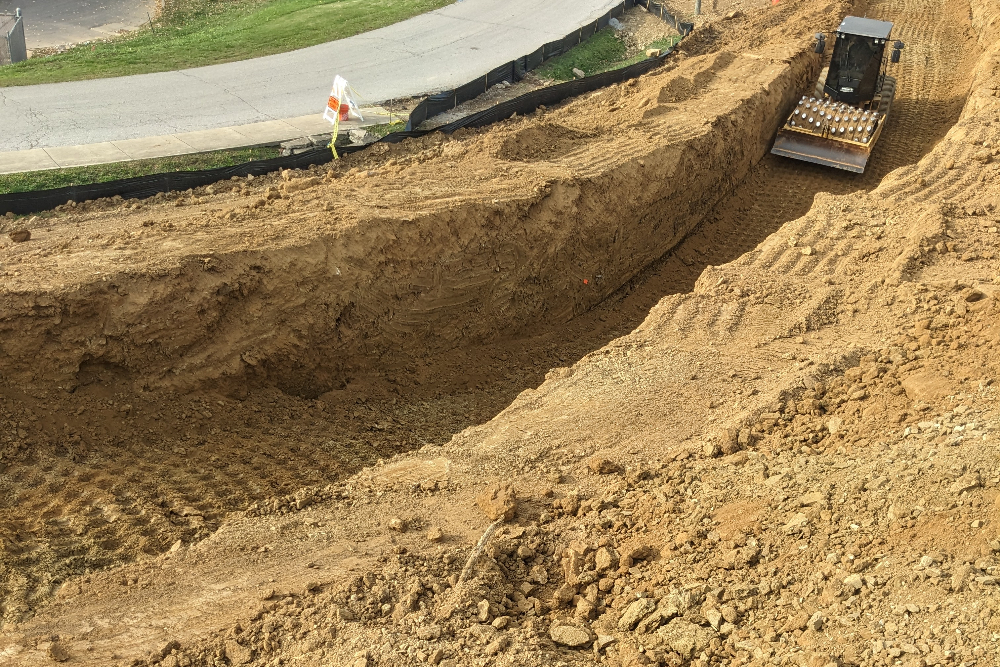
Building pad preparation involves creating a properly graded and compacted area where a new structure will be constructed. The process may include removing unsuitable soil, placing approved fill materials, adjusting elevations, and compacting soil to meet project specifications. A properly prepared building pad provides stable ground conditions that help support the foundation and reduce the risk of settlement or structural problems.
Can site development services include underground utility installation?
Yes. Complete site development projects often include excavation and installation work associated with underground utilities such as water lines, sanitary sewer lines, storm drainage systems, and utility conduits. Proper coordination of underground utilities during site development helps prevent construction delays, minimize future excavation, and ensure the property is prepared for necessary infrastructure connections.
What is the difference between land clearing, lot clearing, and grubbing?
Land clearing generally involves removing trees, brush, vegetation, and other obstacles from a property. Lot clearing typically refers to preparing a specific residential or commercial building lot for construction. Grubbing is the process of removing roots, stumps, and other underground organic materials that could interfere with excavation, grading, or building foundations. These activities often work together during the initial stages of site preparation.
What factors affect the cost of site development for new construction?
Site development costs depend on several factors, including property size, existing terrain, soil conditions, the amount of clearing required, excavation depth, grading specifications, drainage needs, utility installation, and the quantity of aggregates or fill materials needed. Accessibility, environmental requirements, and the complexity of construction plans can also influence overall costs. A professional site evaluation helps determine the scope of work and develop an accurate estimate.
Why should builders and developers hire an experienced site development contractor?
An experienced site development contractor understands how land clearing, excavation, grading, drainage, utilities, and building pad preparation must work together to create a construction-ready property. Proper planning and execution help minimize delays, reduce costly rework, and establish suitable conditions for the next phases of construction. Webb’s Excavating serves Northern Kentucky and Greater Cincinnati, providing site development services for property owners, builders, developers, and general contractors preparing for new construction.
Site
Development
Complete site development from planning to construction
Site
Preparation
Preparing property for successful construction projects
Land Development
Transforming raw land into construction-ready property
Project Infrastructure
Building infrastructure that supports the project
Install Utilities
Install reliable underground water and sewer utility systems
Drainage
Improving water flow and flood protection
Land Clearing
Clear trees, vegetation, and obstacles for development
Grubbing
Removing roots, stumps, and organic material from sites
Lot Clearing
Clearing residential & commercial lots for construction
Building Pads
Create stable, level foundations for buildings and structures
Grading
Precisely shaping land for proper drainage & construction
Aggregates & Fill
Supplying and delivering quality aggregates and local fill